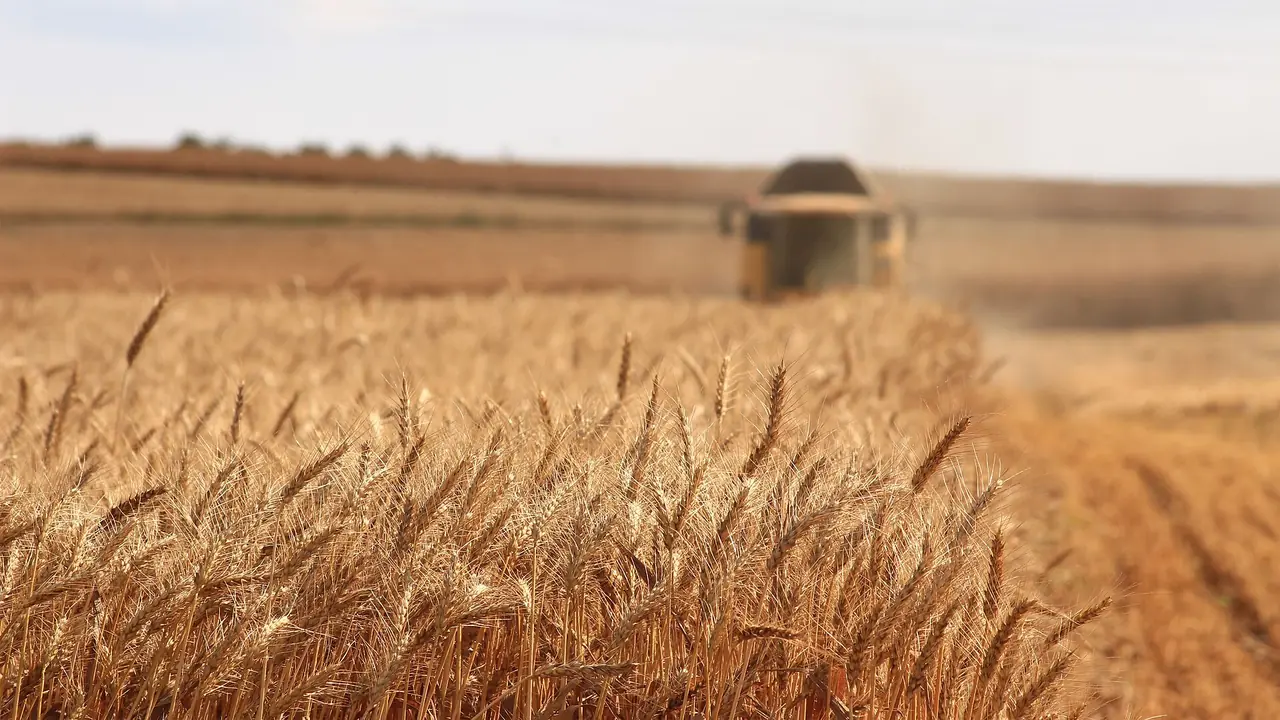
Buying your first tractor or header
A big purchase deserves a careful plan. Here is what to think through.
Key points
- Start with the job the machine needs to do, not the brand or the badge.
- New and used machines each have trade-offs in price, warranty and reliability.
- Get any used machine inspected by someone you trust.
- Budget for running costs, not just the purchase price.
- Ask whether repayments can be matched to when your income comes in.
Start with the job
Think about what the machine must do. How many hectares or acres? What crops or tasks? What implements will it pull? How many hours a year will it work? A machine that is too small slows you down. One that is too big costs more to buy and run.
It also helps to think about whether you need to own it at all. For some jobs, contractors or shared machinery may work. That is your call, but it is worth comparing.
New or used?
New
- Higher price, but usually a manufacturer's warranty.
- Latest technology, and you know its full history.
- Value usually drops fastest in the early years.
Used
- Lower price, but more unknowns.
- Warranty may be short or none at all.
- Repairs and downtime can cost more, especially at busy times.
Some lenders have rules about the age or condition of machinery they will finance. Ask early, before you commit to a machine.
Inspections and checks
For a used tractor or header, an inspection by an independent mechanic or someone you trust can save a lot of pain. Things people often check include:
- engine hours and service records
- signs of leaks, wear or poor repairs
- tyres or tracks, hydraulics and the cab
- for headers, the condition of the front, threshing and cleaning parts
- that the seller owns it and that no money is still owed on it
The way to check whether money is owed on a machine differs by country. Ask your lender, broker or a lawyer how to check where you are.
Running costs
The purchase price is only the start. Think about:
- fuel, oil and filters
- servicing, parts and repairs
- insurance and registration, where it applies
- storage and transport
- an operator, if you are not driving it yourself
Write down your best estimates and add a buffer. These costs come out of the same cash flow that pays the loan.
Repayments that fit your seasons
Farm income is often lumpy. Money can come in after harvest or after stock sales, not every month. Some lenders offer repayment patterns that follow a seasonal cycle, such as larger payments after harvest. Not every lender does, and terms vary.
The seasonal repayments tool helps you see how repayments might line up with your income. The machinery replacement planner helps you think about when to replace and what to set aside.
Financing the machine
Machinery is often financed with an equipment loan, a lease or hire purchase. Each one handles ownership, balloons and tax differently. Read Equipment finance explained for a simple overview, and use the equipment calculator with your own quote.
A quick checklist
- Written quote for the machine, with what is included.
- Inspection report for a used machine.
- Your estimate of yearly running costs.
- A cash-flow plan that shows when repayments are due.
- A chat with your accountant about tax.
Good to know
- Lender rules on machine age, condition and seasonal repayments vary. Ask before you commit.
- Tax treatment differs between finance types and countries, so check with your accountant.
- This guide is general information, not financial, legal or tax advice.
Pick up where you left off
Ready to talk about your finance?
Tell us what you need and our team will get back to you.